Pediatric Dental CrownsIn Hudson, OH
When your child's tooth has been significantly affected by decay or injury, Dr. Greg has several treatment options to consider, including pediatric dental crowns when they're the appropriate solution. Every child's dental situation is unique, which is why Dr. Greg takes time to thoroughly evaluate what approach will work best for your individual child's needs.
Why should my child get a pediatric dental crown?
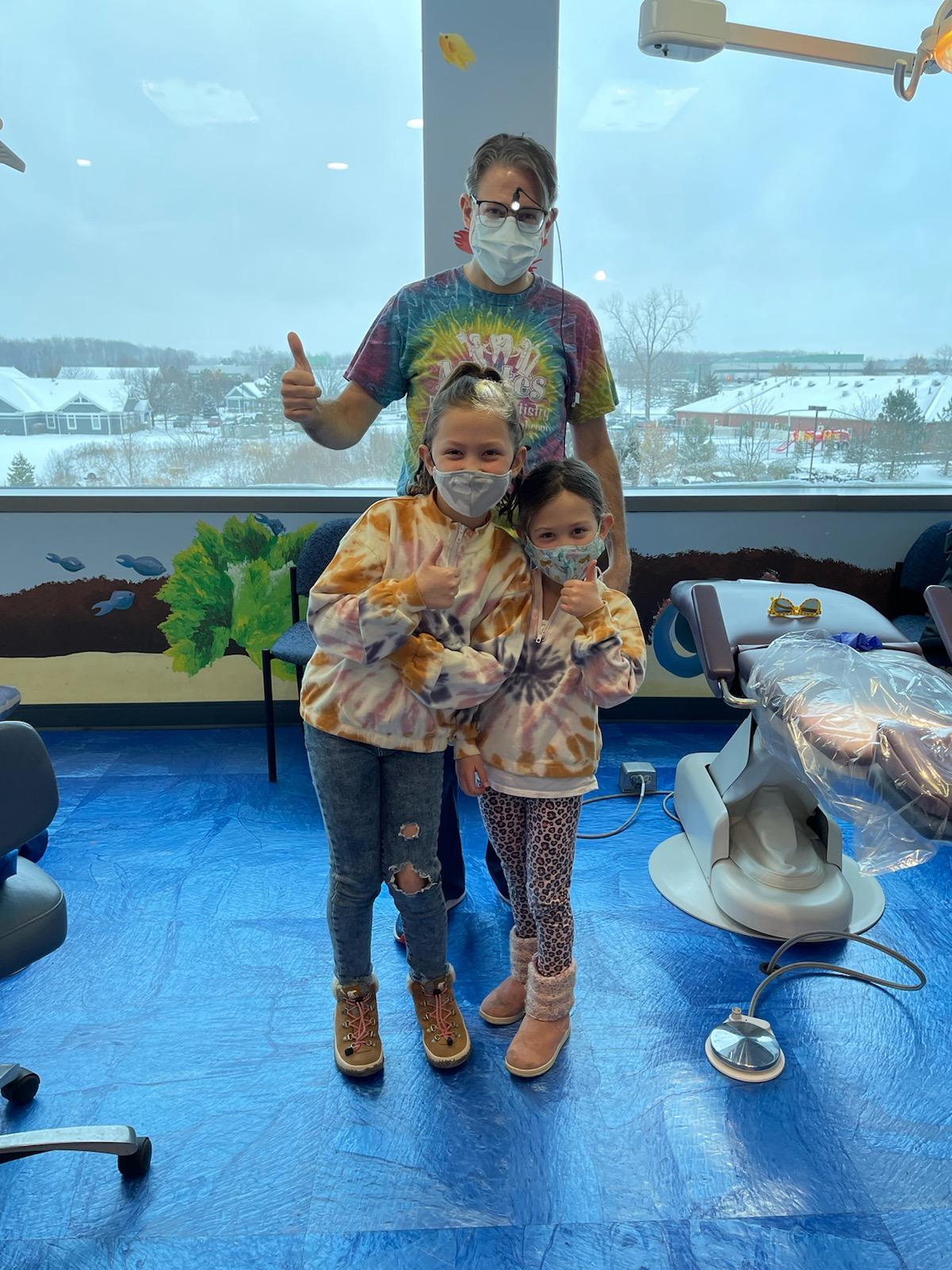
Dental crowns are utilized in certain situations where a tooth has been too extensively damaged to be repaired with a simple filling. Dr. Greg will consult with you about what your child's specific situation requires, considering factors like the extent of damage, the tooth's location, and your child's age and comfort level.
During your consultation, Dr. Greg will explain whether a pediatric crown is the most appropriate option for your child's particular circumstances. If a crown is recommended, he'll discuss the different types available and walk you through the entire process, ensuring you feel confident about the treatment plan. Remember, not every damaged tooth requires a crown - Dr. Greg evaluates each case individually to determine the best approach for your child's unique dental needs.
Conservative Approach
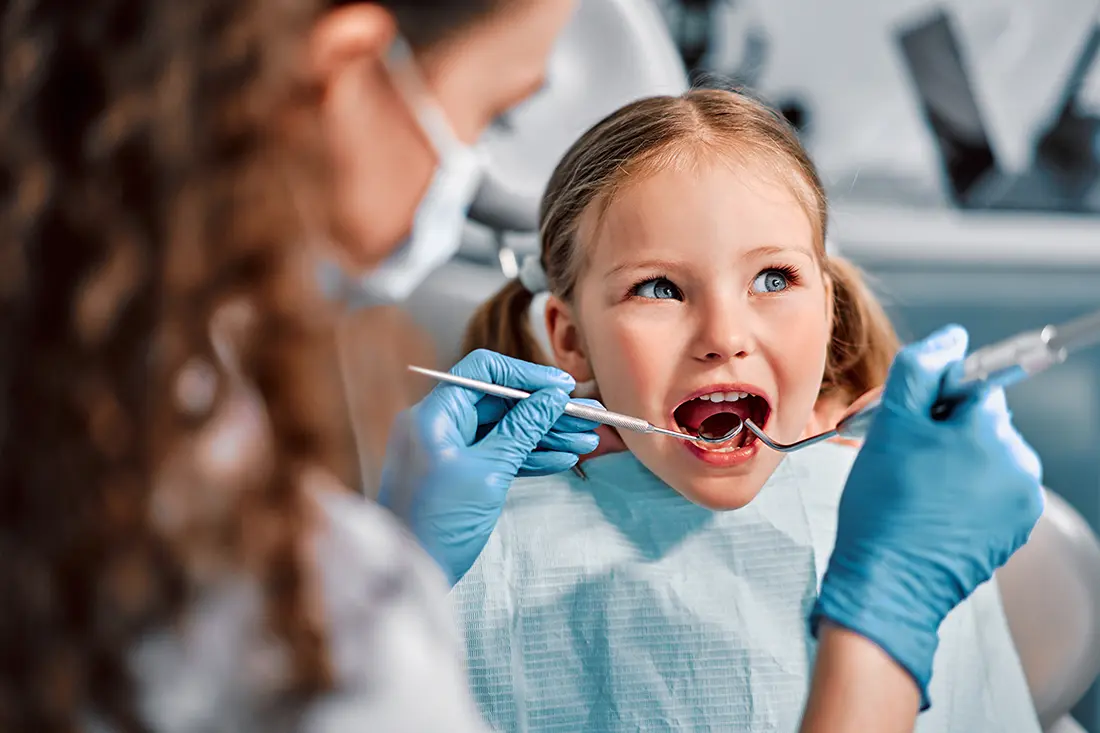
We believe in a conservative approach to care—only recommending crowns when truly needed. Every treatment is tailored to your child’s unique situation, ensuring we do what’s right, not just what’s routine.

White Crowns
A zirconia alternative to traditional stainless steel crowns, white crowns look and feel more natural, and can be color-matched to the rest of your child's grin. They're a great option for restoring your little one's front or back teeth, so they can smile with confidence.
The Benefits of Pediatric Dental Crowns
Comprehensive Protection
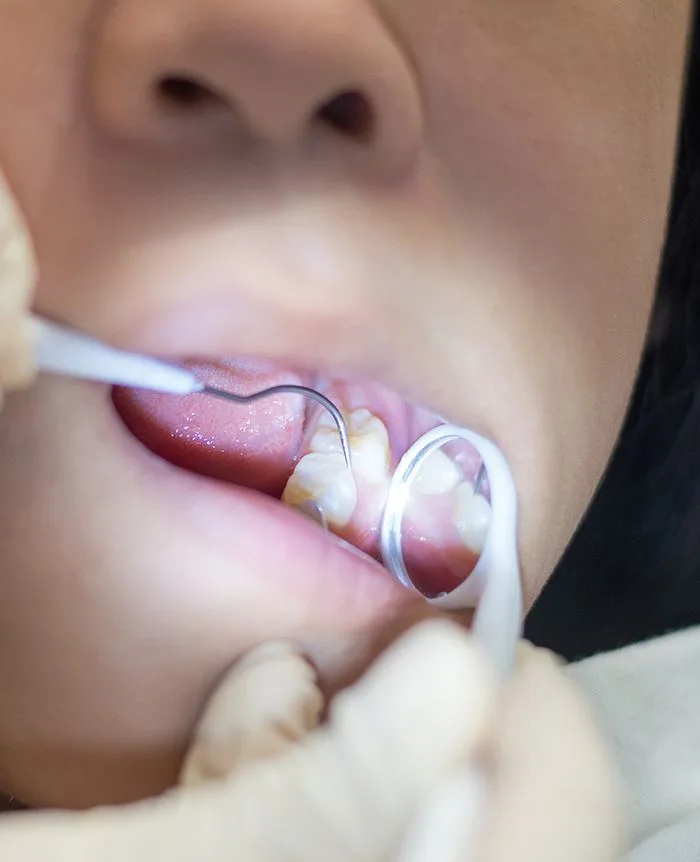
When Dr. Greg determines a crown is necessary, it provides comprehensive coverage for teeth that have been extensively damaged. White pediatric crowns are used on front teeth and are also available for back teeth, while stainless steel crowns offer a durable solution for posterior teeth. Dr. Greg will discuss which type makes the most sense for your child's specific situation and location of the affected tooth.
Prevent Complications
If Dr. Greg recommends a crown for your child's particular situation, it can help prevent additional problems from developing. Without appropriate treatment, damaged teeth may be at risk for further issues that could cause discomfort and require more extensive care later. Dr. Greg evaluates each case individually to determine if a crown is the right preventive approach for your child's unique circumstances.
The Pediatric Dental Crown Treatment Process
Preparation
Dr. Greg will ensure your child is completely comfortable by numbing the area, then carefully prepare the tooth by removing only the damaged portion. He shapes the remaining tooth structure to provide a stable foundation for the crown, always preserving as much healthy tooth as possible.

Dental Crown Fitting
Dr. Greg will determine which type of crown - stainless steel or white - is most appropriate for your child's specific situation and the tooth's location. For stainless steel crowns, he'll select the proper size and fit it directly. For white crowns, he may need to take measurements to ensure the best possible fit and appearance.

Placing The Crown
Once the appropriate crown has been selected or prepared, Dr. Greg will carefully place it and make any necessary adjustments to ensure your child's bite feels comfortable. He'll explain how to care for the crown and what to expect as your child's mouth continues to develop.
Board-Certified Pediatric Dentist
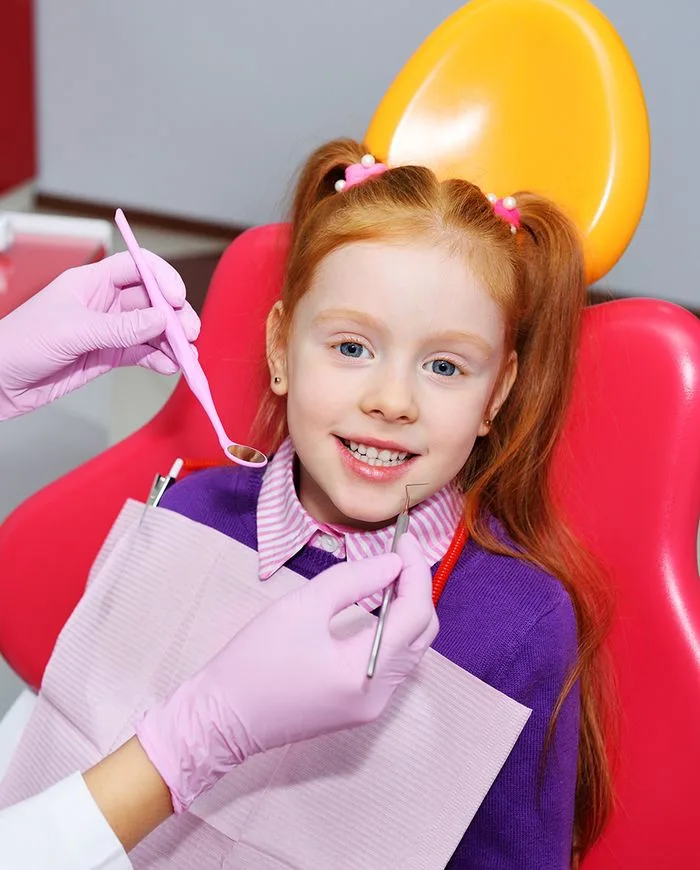
Your child receives specialized care from Dr. Greg, our Board-Certified Pediatric Dentist. This certification requires extensive additional training beyond dental school, specifically focused on treating children's unique dental needs. Dr. Greg's expertise ensures that every treatment recommendation is tailored to your child's individual development and comfort level.

Stainless Steel Crowns
Extremely durable and affordable, stainless steel crowns are excellent for restoring rear baby teeth, as they’re able to hold up to the wear and tear of chewing. Because of their silver color, they are ideal for rear teeth that don’t show when your little one smiles, as well as for baby teeth that are destined to be replaced with permanent ones.
FAQs
Frequently Asked Questions
Check out these frequently asked questions, or call us to speak with our team.
Most commonly, pediatric dental crowns are used to treat extensive cavities, or to repair a tooth that has been damaged and was restored with a pulpotomy. Because dental crowns cover up and protect the entire structure of the tooth, they can strengthen the tooth after serious decay and help prevent further complications.
Dental injuries from accidents, play, or sports can also damage baby teeth by cracking, breaking, or otherwise affecting the tooth structure. In these situations, Dr. Greg may recommend a crown to restore the tooth's shape and function, helping your child chew, smile, and bite normally once again while protecting the tooth as their mouth continues to grow and their adult teeth begin to erupt.
Dr. Greg will be the best judge of whether or not your child needs a dental crown. In some cases, an alternative treatment like dental bonding or a dental filling may be a better option for your child's specific situation. However, if you think that your child has a deep cavity or other significant tooth damage, Dr. Greg will evaluate whether a crown is the most appropriate way to restore their smile.
Additionally, if your child suffers from an oral injury and you see that one of their teeth is visibly damaged, they may need a dental crown. In both cases, you should contact Dr. Greg right away to get an evaluation and ensure your child gets the treatment they need. Remember, every situation is unique, and Dr. Greg will discuss all appropriate options with you before recommending any specific treatment.
No. There is no lengthy recovery process after your child gets a crown. They can resume their day-to-day activities within a few hours after their appointment and maintain a normal diet. Your child's tooth may feel a bit sore or tender for a few days after it's been placed, but this is normal. Some minor sensitivity is nothing to worry about, as this issue will go away on its own.
To care for your child's dental crown, all you need to do is treat it like a natural tooth. You will need to brush their teeth at least twice per day for two minutes, and floss their teeth once per day. Depending on their age, they may be able to do this themselves.
Beyond proper oral hygiene, you should make sure your child eats a tooth-friendly, healthy diet low in sugary foods and drinks. You should also set appointments for your child to see Dr. Greg every six months for a check-up and a teeth cleaning. If you follow these simple steps, your child's crown will last for years.
Restorative dental care for children is almost always covered by dental insurance, so you can expect your insurance company to cover the cost of one or more pediatric dental crowns. However, the coverage limits, deductibles, and specifics of each insurance policy differ.
For that reason, we highly recommend consulting with your insurer directly to learn more about your coverage before you schedule your child's appointment with Dr. Greg. This will ensure that you avoid any unexpected bills, and that your child's treatment is completely covered.